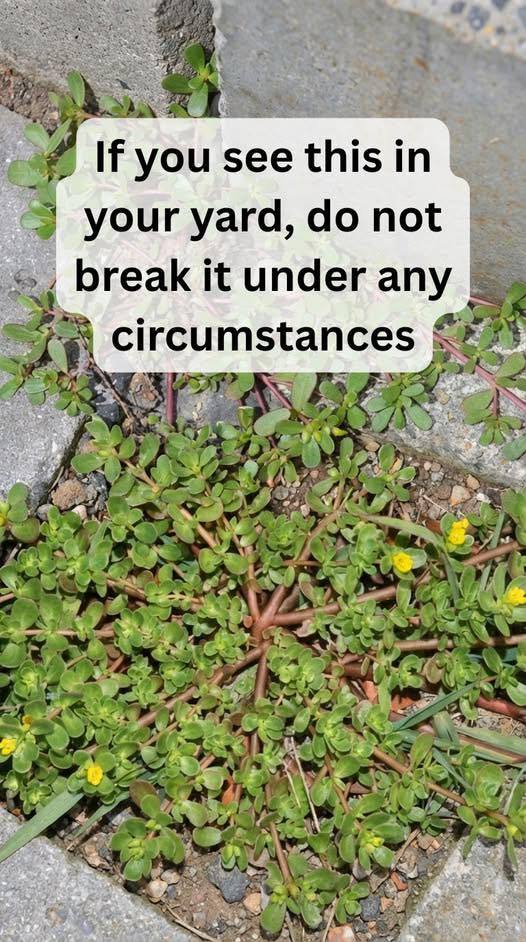

- Yellow flowers: Mild and pretty in salads.
- Tiny black seeds: Rich in protein and omega-3s—can be ground like quinoa or added to bread.
🐝 7. Supports Pollinators & Soil Health
- Its bright flowers attract bees and beneficial insects.
- Dense growth helps suppress true weeds and reduce soil erosion.
- Acts as a living mulch, keeping soil cool and moist.
🌍 8. A Global Heritage Food—Not an Invader
Purslane has been eaten for millennia—from ancient Greece to Aztec Mexico to rural China. It’s not invasive in the ecological sense; it’s a volunteer edible that coexists with crops.
In many cultures, it’s called “the vegetable of longevity.”
⚠️ Important Notes Before Foraging
- ✅ Positive ID: Purslane has thick, spoon-shaped leaves, reddish stems, and grows flat along the ground. Do not confuse with spurge (toxic look-alike that oozes white sap when broken).
- 🌿 Harvest ethically: Only pick from areas free of pesticides, herbicides, or pet traffic.
- 🥣 Eat in moderation: Contains oxalates (like spinach)—those with kidney stones should limit intake.
❤️ The Bottom Line
Purslane isn’t a weed—it’s a gift from the earth. Instead of pulling it, harvest it. Add it to your salad, share it with neighbors, or let it nourish your soil and pollinators.
“The most valuable plants often grow where we least expect them.”
So next time you see purslane spreading in your garden, smile—and thank it. Your body, your soil, and your taste buds will thank you back. 🌿✨

Leave a Comment